DEEP
Digitally Educating and Empowering Pakur
Project Description
Project DEEP (Digitally Educating and Empowering Pakur) is an innovative district-level initiative aimed at transforming Pakur into a digitally empowered, educated, and inclusive society. The project focuses on bridging the digital divide, enhancing access to technology, and enabling citizens—especially students, PVTGs, women, and marginalized communities—to participate meaningfully in today’s digital world.
By integrating digital learning, skill development, governance reforms, grassroots awareness, and data-driven approaches, Project DEEP brings technology to the last mile and ensures that no citizen is left behind. The initiative combines government effort, community participation, private partnerships, and creative engagement to create a holistic digital ecosystem across the district.
By integrating digital learning, skill development, governance reforms, grassroots awareness, and data-driven approaches, Project DEEP brings technology to the last mile and ensures that no citizen is left behind. The initiative combines government effort, community participation, private partnerships, and creative engagement to create a holistic digital ecosystem across the district.
Vision
To build a digitally empowered, educated, and inclusive Pakur where every citizen—irrespective of geography, gender, or social status—has the knowledge, skills, and opportunities to thrive in the digital era.
The vision is to establish Pakur as a model digital district with robust technology integration in education, governance, health, and community engagement.
The vision is to establish Pakur as a model digital district with robust technology integration in education, governance, health, and community engagement.
Mission
• To ensure universal access to digital education and skill-building opportunities.
• To leverage technology for effective public service delivery and participatory governance.
• To create platforms that amplify local stories, voices, and innovations.
• To promote data-driven decision-making for health and administrative efficiency.
• To strengthen community linkages through partnerships with institutions, VLEs, NGOs & private training centers.
• To cultivate a culture of digital awareness, responsible use of technology, and continuous learning.
• To leverage technology for effective public service delivery and participatory governance.
• To create platforms that amplify local stories, voices, and innovations.
• To promote data-driven decision-making for health and administrative efficiency.
• To strengthen community linkages through partnerships with institutions, VLEs, NGOs & private training centers.
• To cultivate a culture of digital awareness, responsible use of technology, and continuous learning.
Project Objectives
- To bridge the digital divide in rural and tribal areas of Pakur.
- To strengthen digital literacy among students, youth, and vulnerable communities.
- To enhance educational outcomes using smart classes, online learning, and digital resources.
- To promote transparency and citizen engagement through modern digital communication platforms
- To introduce a first-of-its-kind Podcast Room in government settings—an innovative step that enables direct dialogue, simplifies scheme dissemination, and brings governance closer to the people.
- To create an inclusive ecosystem where local stories, achievers, and officials share knowledge and inspire the community.
- To deploy innovative applications for health monitoring, waste management, and efficient governance.
- To empower local communities through awareness, capacity building, and last-mile digital service delivery.
- To empower local communities through awareness, capacity building, and last-mile digital service delivery.
Key Achievements
-
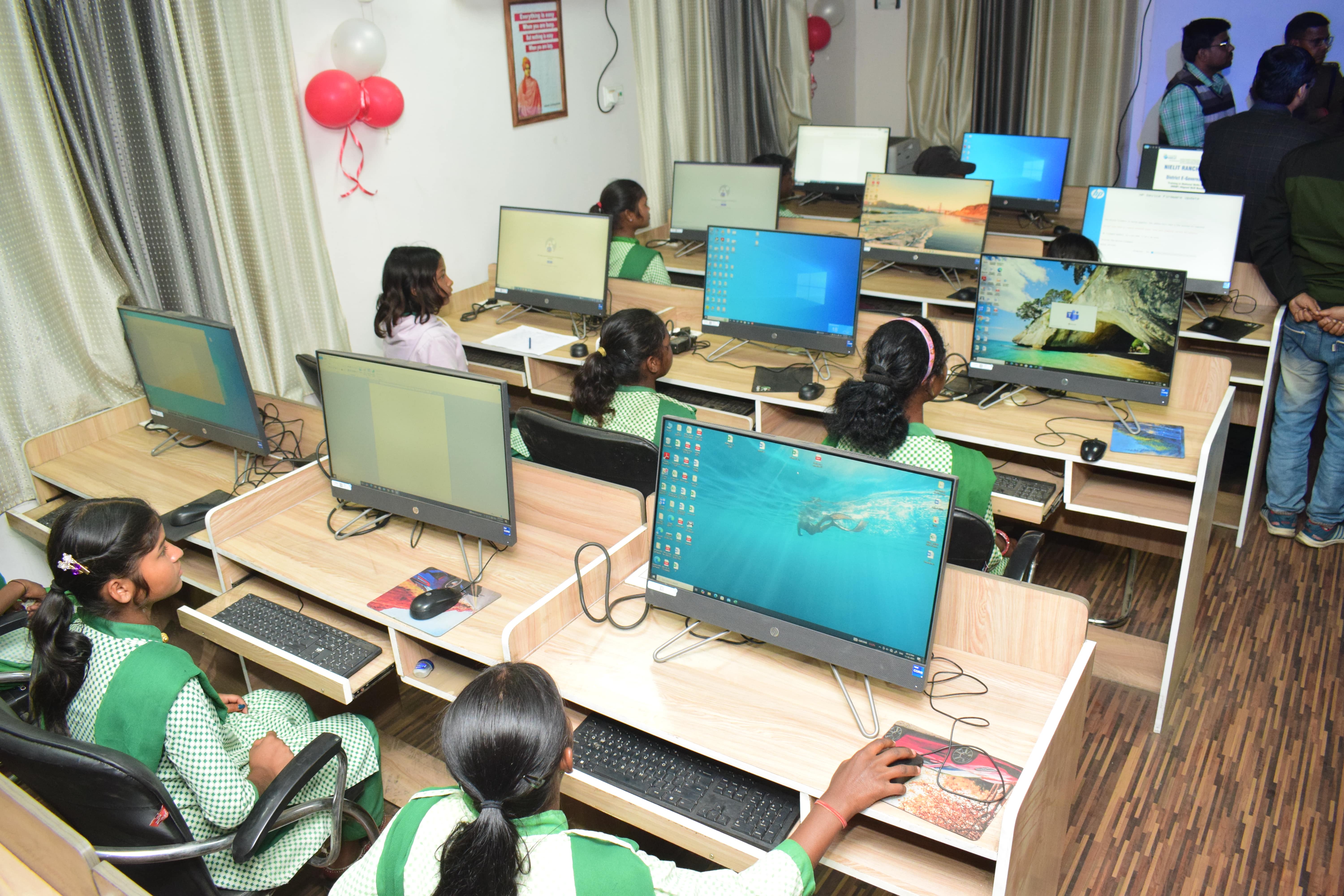
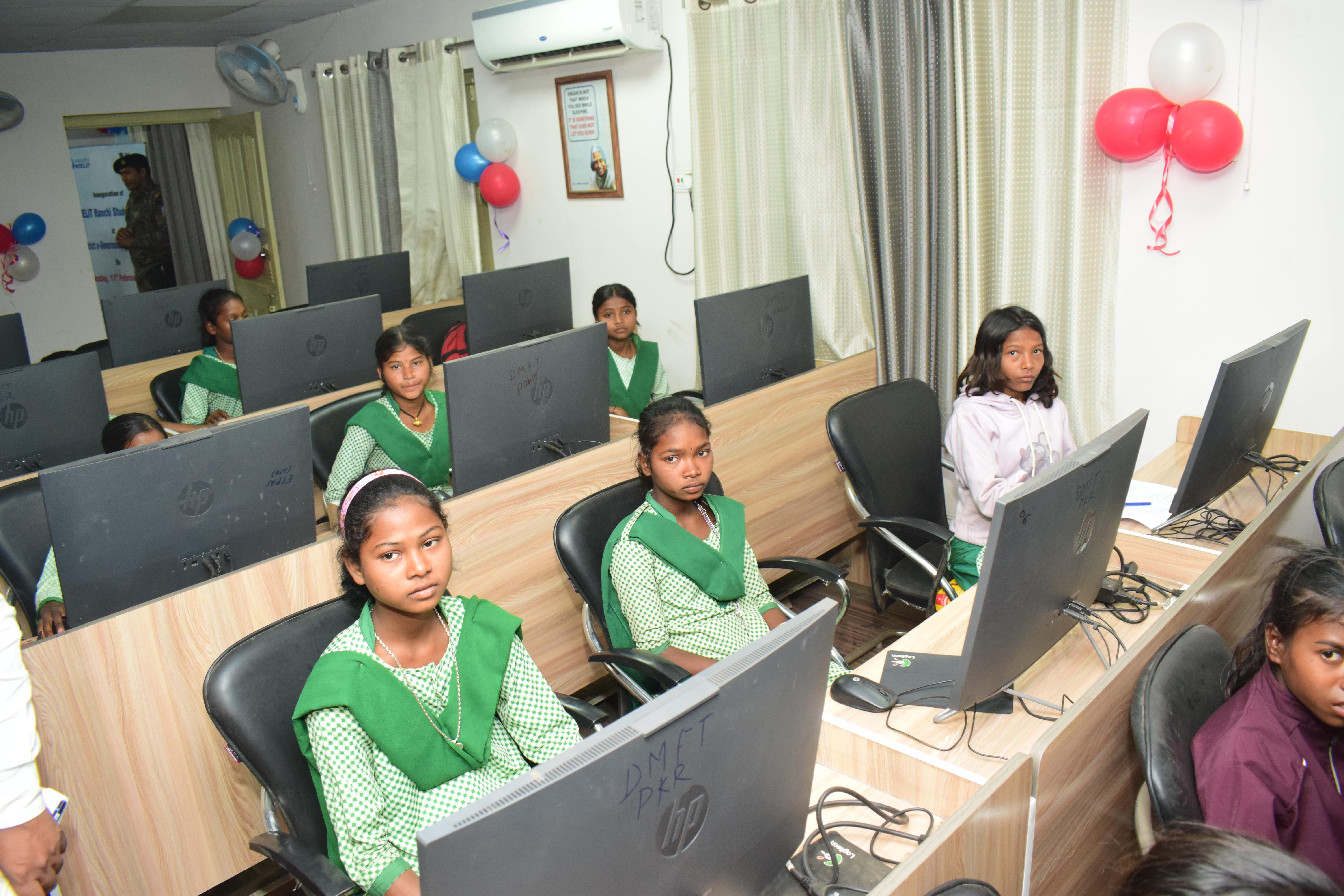
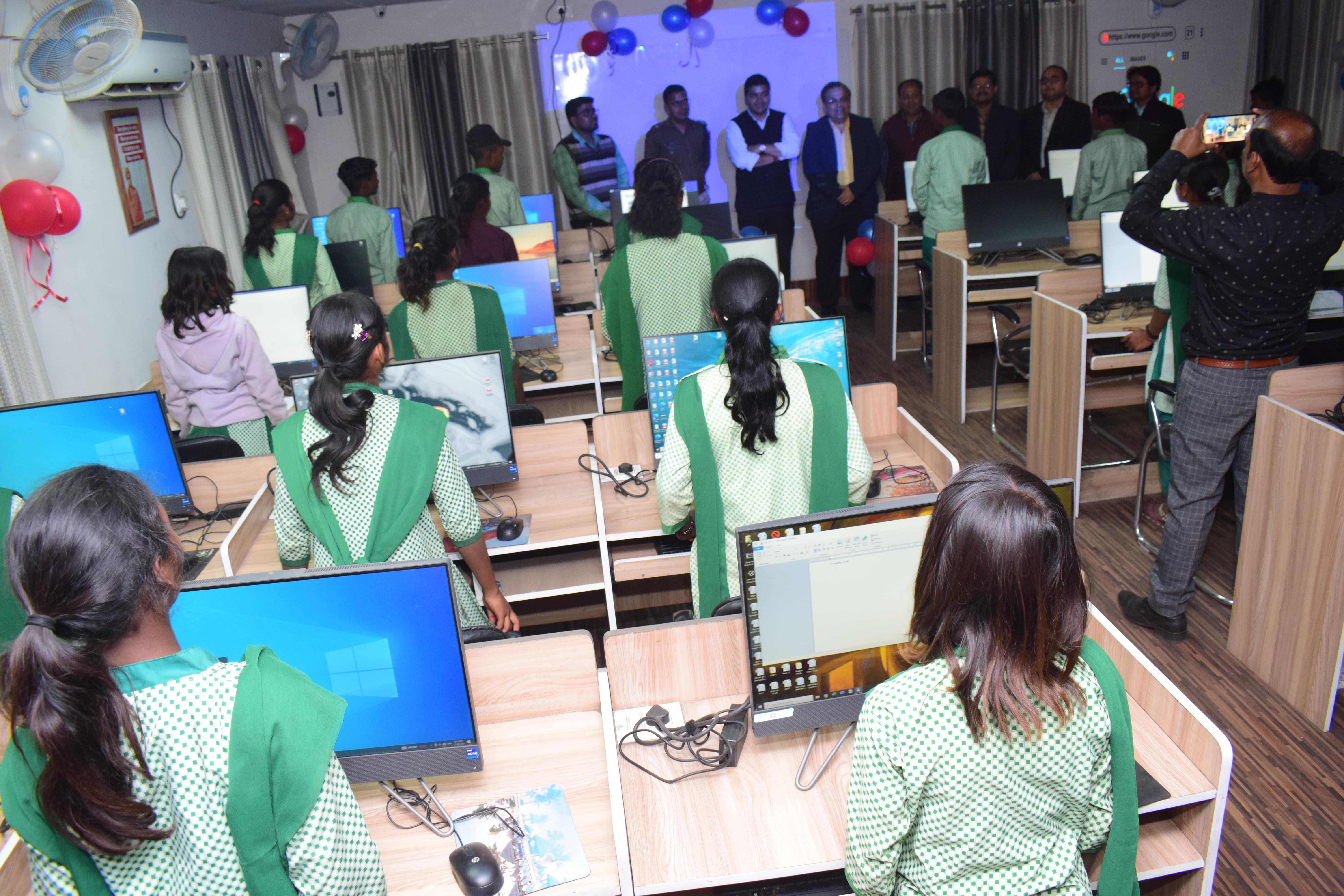
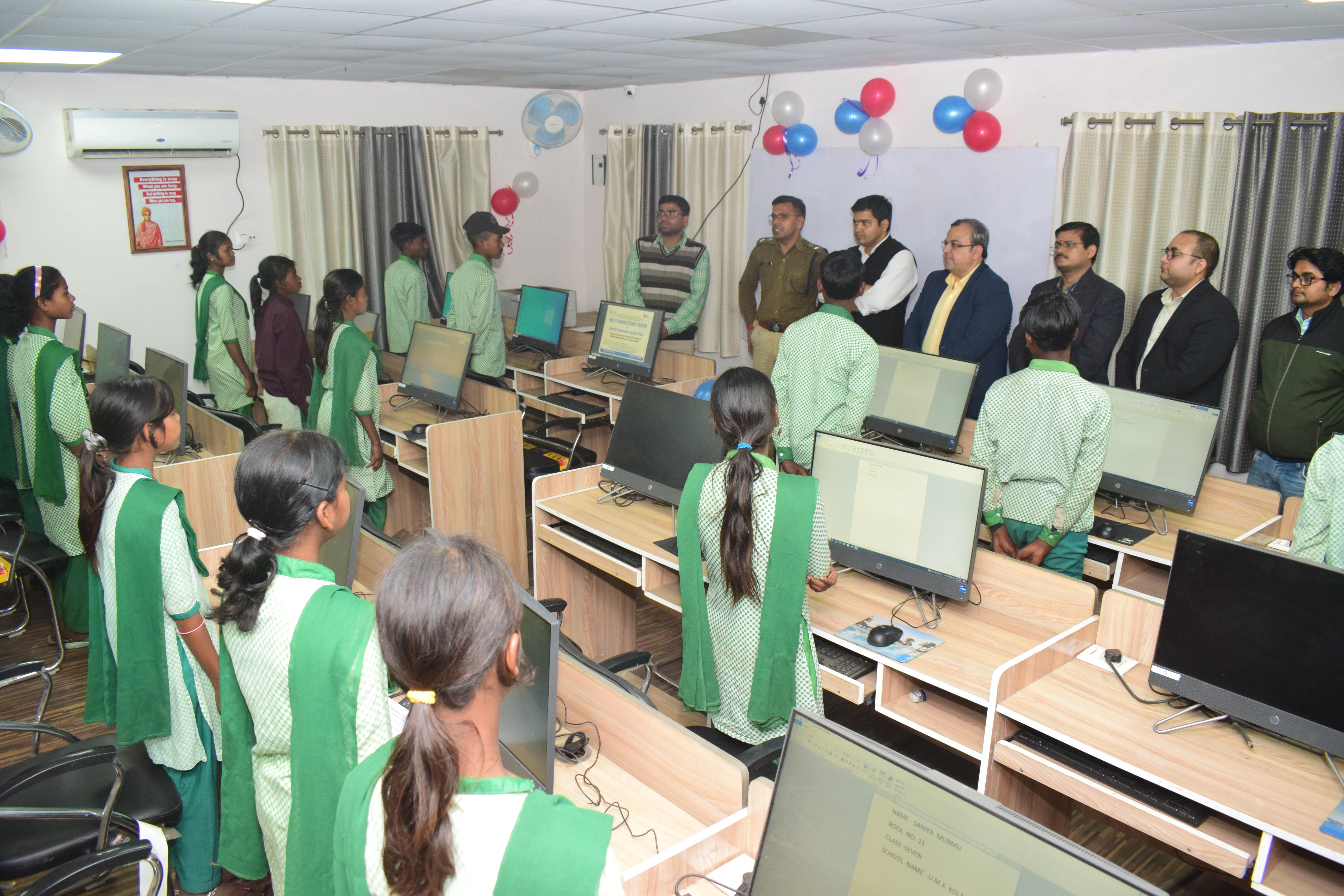
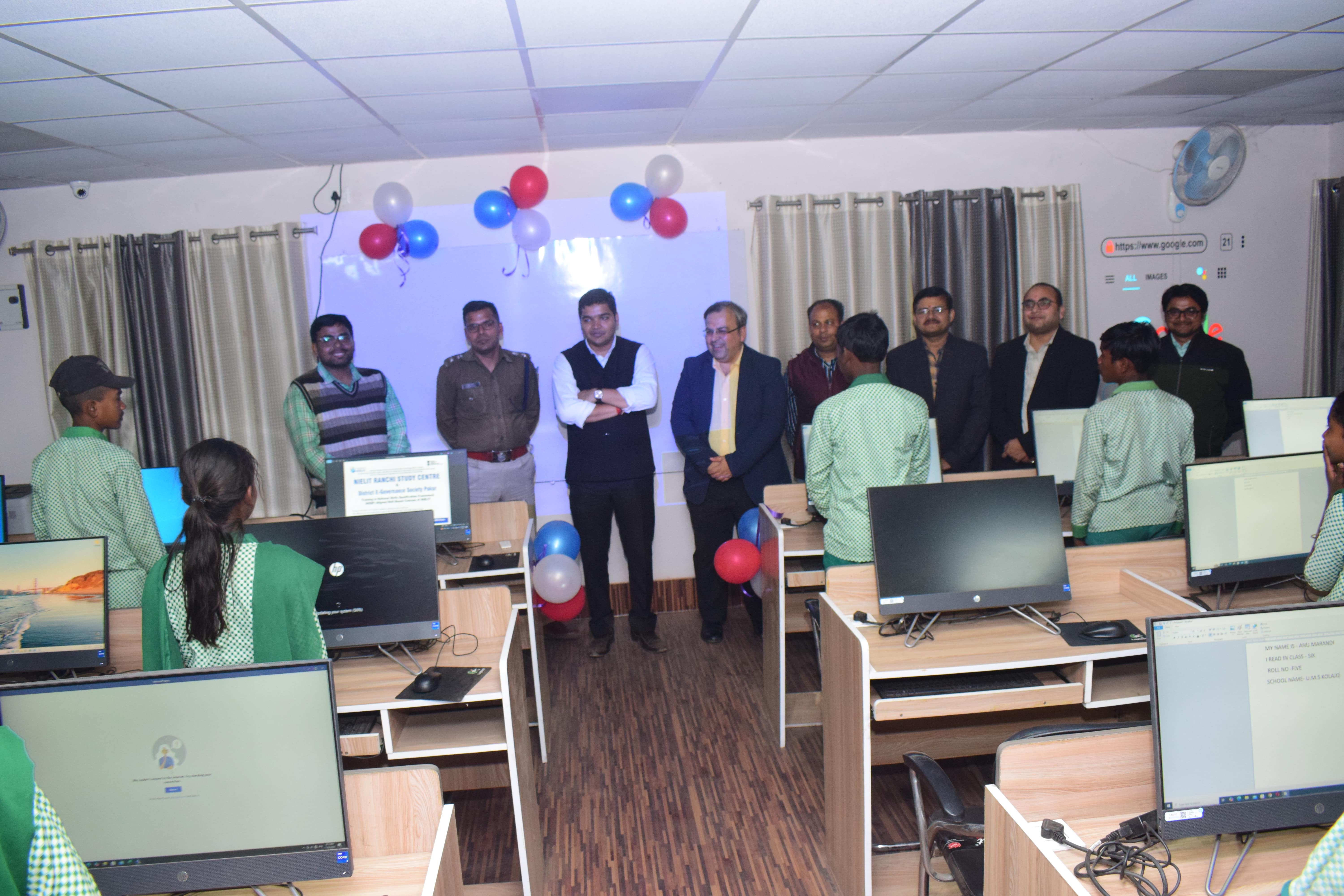
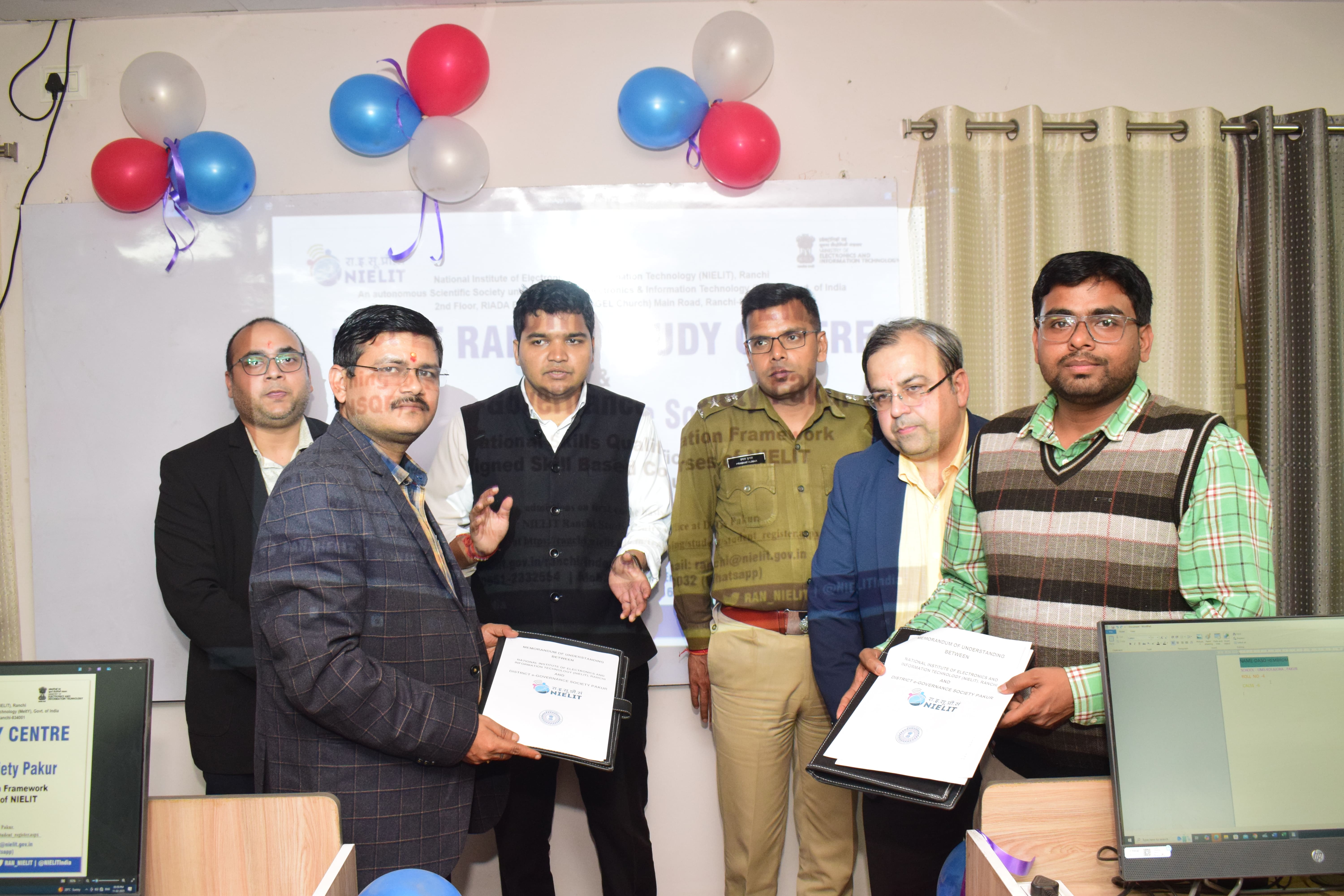
More than 200+ students cleared the CCCMore than 200+ students cleared the CCC (Course on Computer Concept) exam through NIELIT training centres.
-
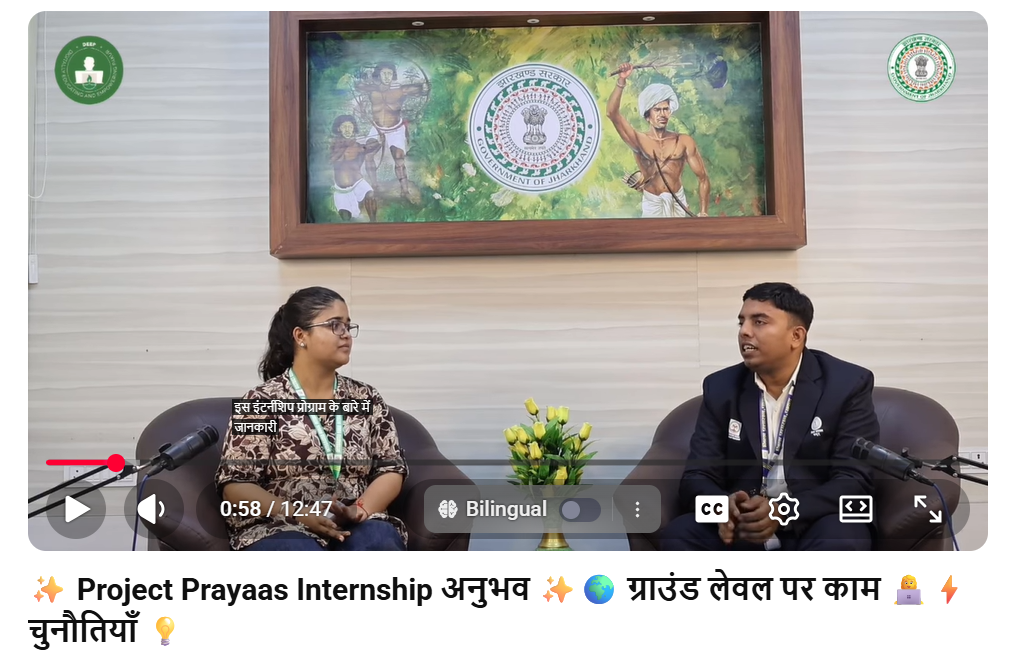
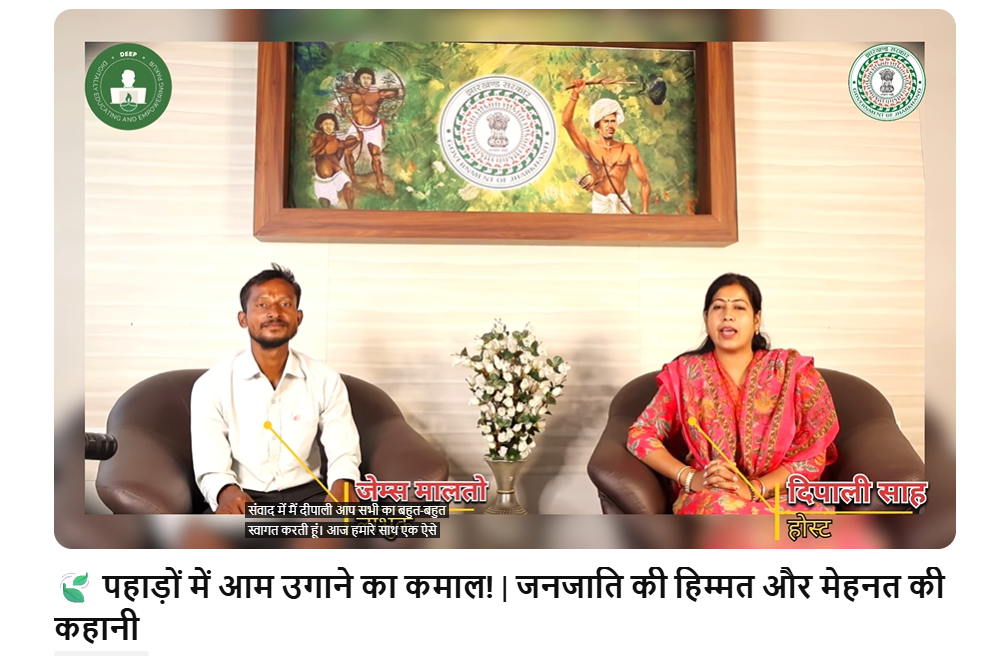
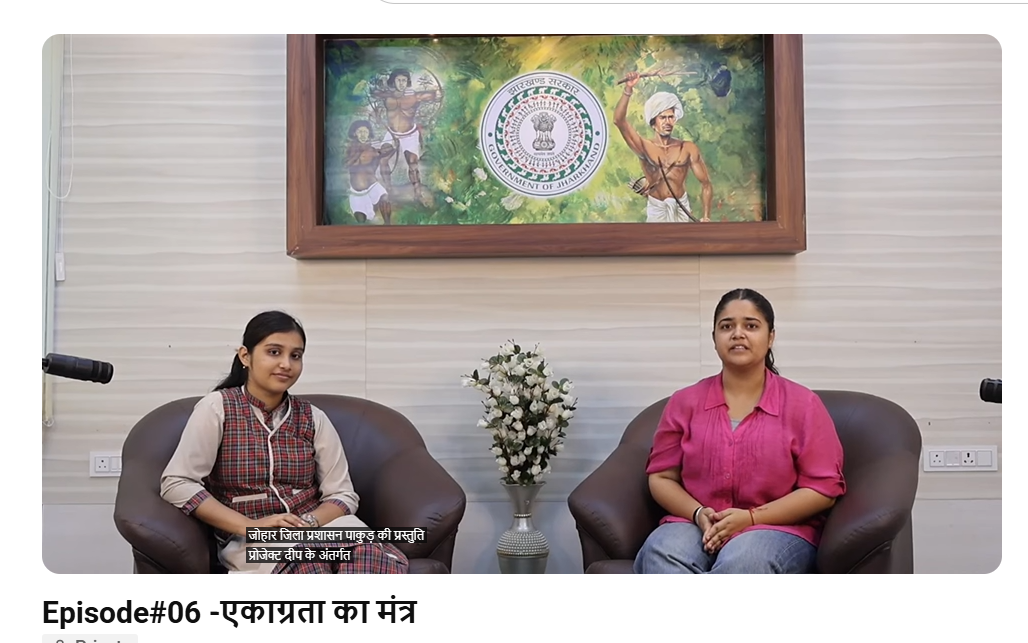
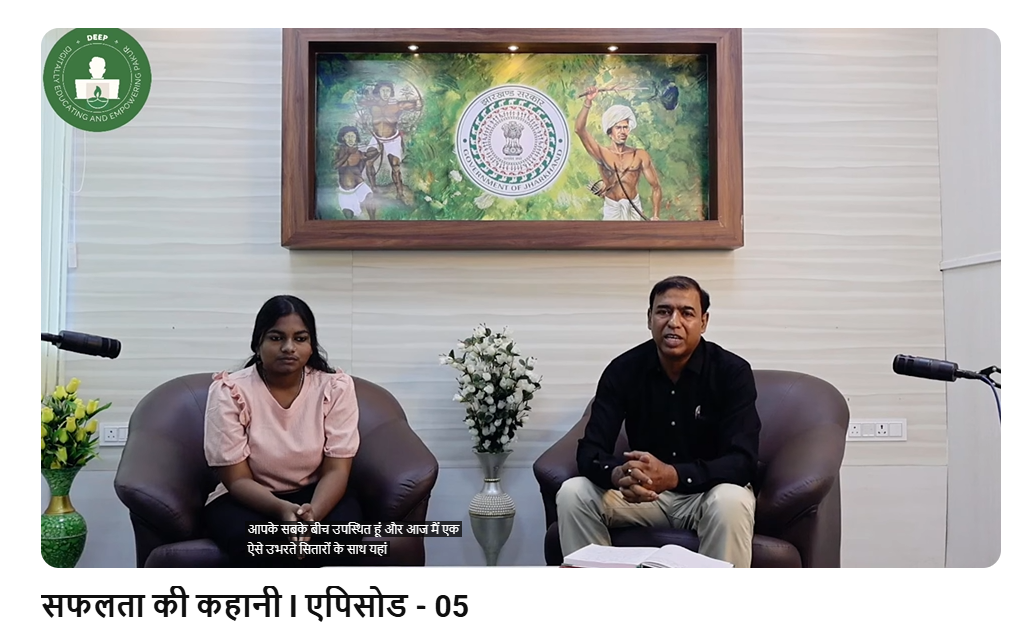
Project Abua SamwaadProject Abua Samwaad created a digital space for storytelling, government communication, and citizen engagement.
-
Private institutes provided free computer trainingPrivate institutes provided free computer training to hundreds of underprivileged students, ensuring widespread digital literacy
-
Volunteer-driven Smart ClassroomsVolunteer-driven Smart Classrooms and YouTube-based learning improved educational access and solved PTR-related challenges.
-
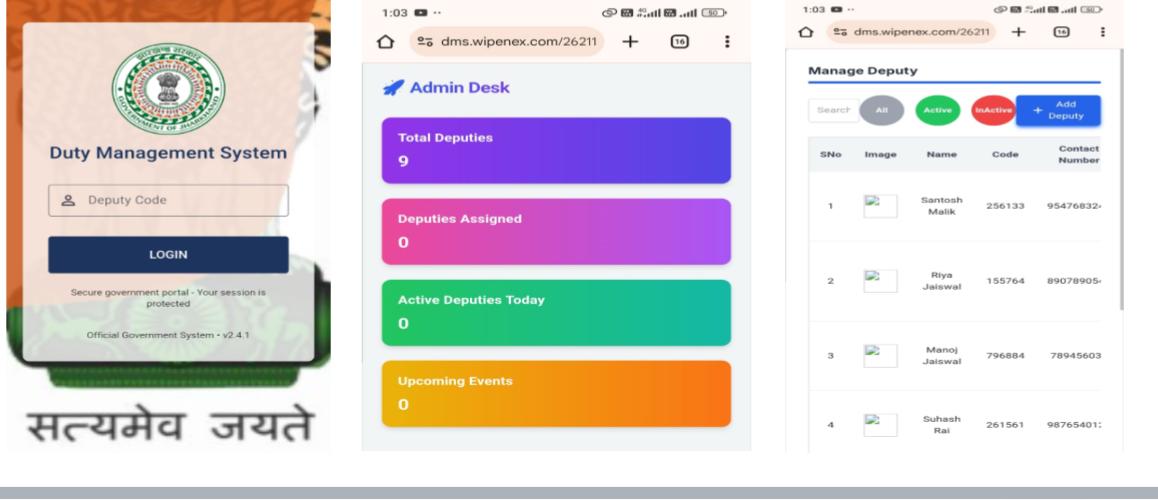
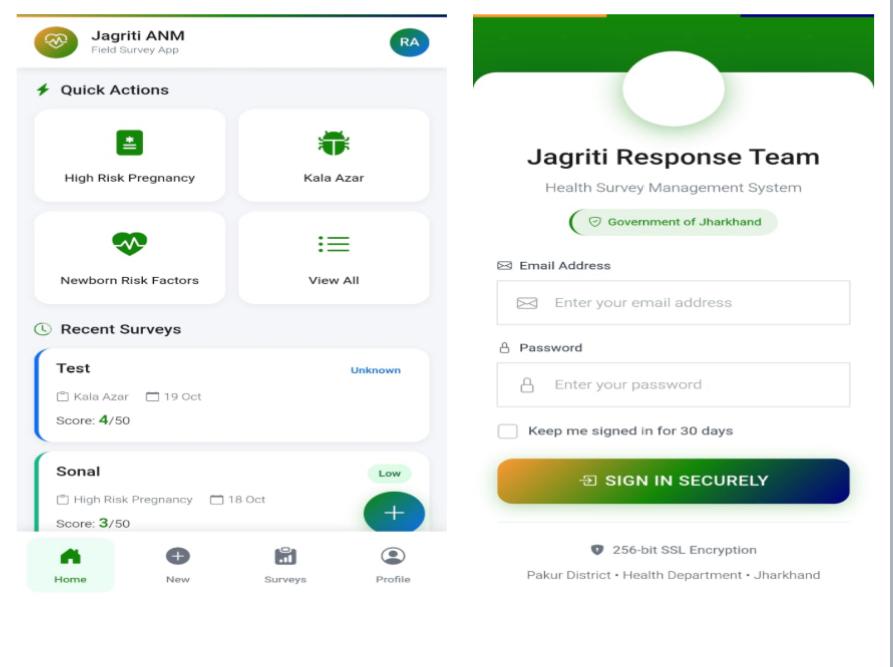
Multiple innovative apps introducedo JAAGRITI App for, High-Risk Pregnancy for maternal health tracking and Kala-Azar Elimination and for real-time disease monitoring o Reuse-Recycle App encouraging environmental responsibility o Duty Management System optimizing manpower utilization
-
Jail inmates trainedJail inmates trained under digital literacy programs; several used skills to begin earning upon release.
-
Digi Mitra Task ForceCreation of Digi Mitra Task Force for tech-enabled grassroots support.
-
Digital management systemsDigital management systems implemented in child care institutions and old-age homes.
-
Significant improvementSignificant improvement in academic outcomes—Pakur moved from 22nd rank (2024) to 2nd rank (2025) in Class 10 & 12 Board examinations.
-
Strengthened FRS (Facial Recognition SystemStrengthened FRS (Facial Recognition System) under ICDS improving service delivery for beneficiaries.
-
District-level competitionsDistrict-level competitions, AI trainings, and creative content creation boosted youth participation.
-
Expanded digital presenceExpanded digital presence at Panchayat level through VLE-led Digi Gyan Daan sessions.
Photo Gallery
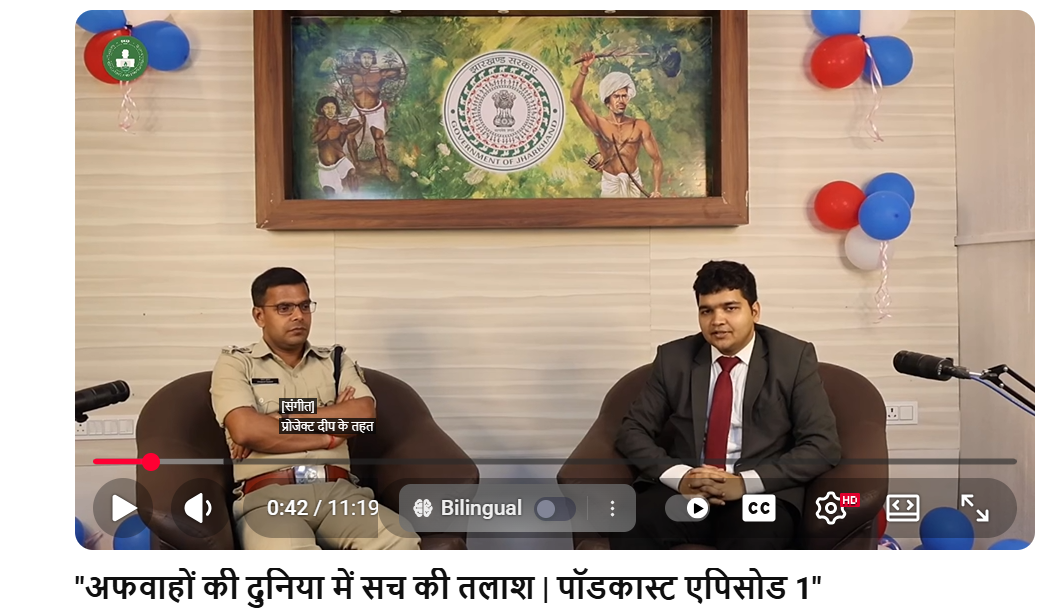
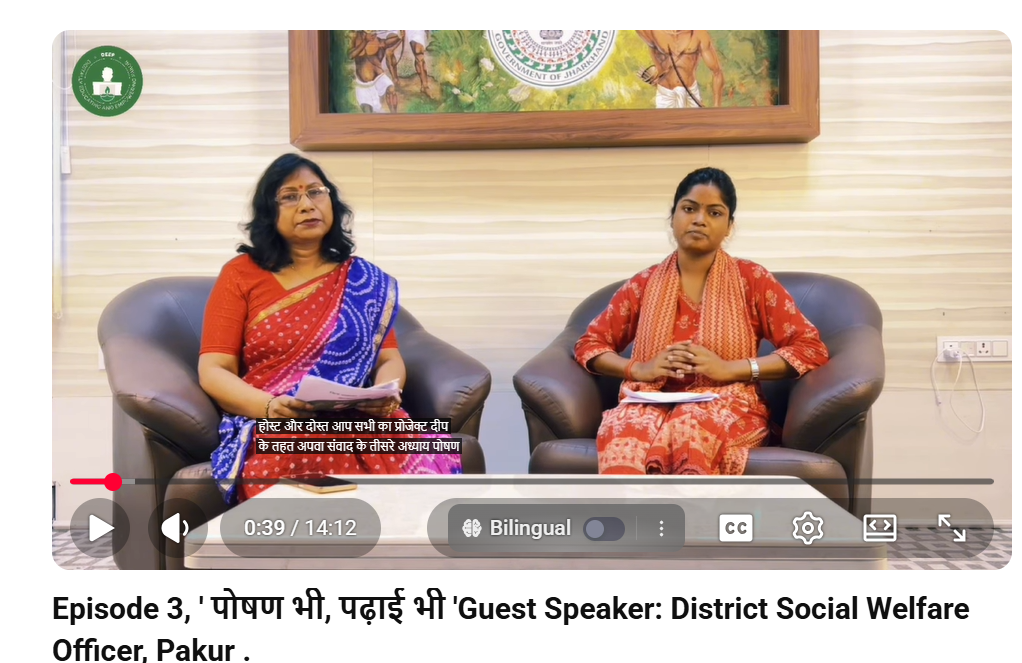
ABUA SAMVAAD
APPS

COMPUTER TRAINING WITH NIELIT
Related Links
Share Your Suggestions
We value your feedback! Help us improve this project by sharing your ideas and suggestions.
Submit Suggestion